
Understanding the Psychological Triggers of Gambling Behavior
Gambling challenges often stem from deep-seated psychological triggers that casinos deliberately exploit to keep players engaged. The design of modern gaming floors, with their lack of clocks and windows, creates a disorienting environment where time loses its meaning. This sensory deprivation allows individuals to lose track of hours spent playing, making it difficult to recognize when they have reached their limits. Recognizing these environmental manipulations is the first step toward regaining control over one’s gambling habits and understanding why impulses become so strong during extended sessions.

Furthermore, the variable ratio reinforcement schedule used in slot machines and table games creates a powerful conditioning effect similar to addiction mechanisms seen in other behaviors. Each near-miss or small win releases dopamine, reinforcing the desire to continue despite losses. By acknowledging that these experiences are scientifically engineered rather than random acts of luck, individuals can detach emotionally from the outcomes. This cognitive shift helps reduce the emotional volatility that often leads to chasing losses and making irrational betting decisions under stress.
Implementing Strict Financial Boundaries and Self-Exclusion Tools
Establishing rigid financial boundaries is essential for anyone seeking to mitigate gambling risks effectively. Setting daily, weekly, and monthly loss limits before entering a casino ensures that spending remains within affordable ranges regardless of emotional states. Many reputable online platforms now offer mandatory deposit limits and cooling-off periods, which prevent impulsive top-ups when funds run low. These tools serve as external checks on internal weaknesses, providing structural support when willpower alone proves insufficient during high-stakes moments.
In addition to personal limits, utilizing self-exclusion programs offers a more permanent solution for those struggling with severe compulsive tendencies. Registering with national or regional exclusion schemes bars individuals from accessing licensed venues and digital platforms for specified durations. While this measure may feel restrictive initially, it provides critical breathing room for recovery and reflection. Combining these technical safeguards with honest conversations about finances among trusted family members creates a robust safety net against catastrophic financial consequences.
Developing Alternative Coping Mechanisms and Support Networks
Replacing gambling with healthier coping strategies addresses the root causes rather than just the symptoms of problematic behavior. Stress, anxiety, and loneliness frequently drive individuals toward the adrenaline rush provided by wagering activities. Engaging in regular physical exercise, mindfulness meditation, or creative hobbies can fulfill these psychological needs without risking monetary assets. Building a diverse portfolio of leisure activities reduces reliance on any single source of pleasure or escape, thereby diminishing the allure of casino environments.
Support networks play an equally vital role in sustaining long-term sobriety from gambling-related issues. Joining groups like Gamblers Anonymous or seeking professional counseling provides access to shared experiences and expert guidance tailored to addiction recovery. Having someone accountable for progress increases motivation and reduces feelings of isolation associated with secret struggles. Regular attendance at meetings or therapy sessions reinforces positive behavioral changes while offering immediate intervention during temptation spikes or relapse warnings.
Educating Yourself About Odds, House Edge, and Game Mechanics
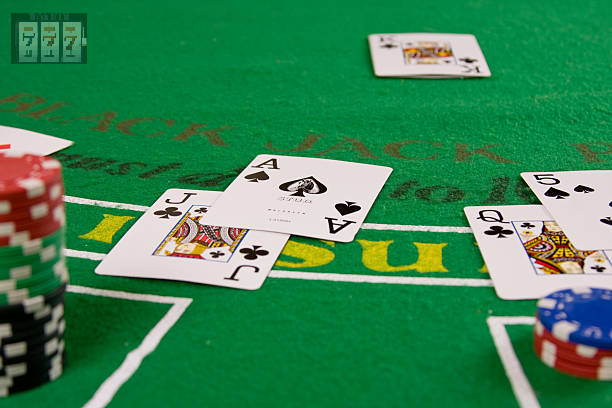
Knowledge empowers gamblers to make informed decisions based on mathematical realities rather than superstition or hope. Understanding concepts such as house edge, return-to-player percentages, and variance allows players to select games with better statistical advantages. For instance, knowing that blackjack has a lower house edge compared to keno enables strategic bankroll management focused on longevity rather than quick wins. Educating oneself transforms gambling from a game of chance into a calculated activity where risk is minimized through awareness.
Moreover, recognizing the randomness inherent in all casino games dispels myths about “hot” streaks or predictable patterns. No machine or dealer influences future outcomes based on past results, meaning previous successes do not guarantee upcoming ones. Accepting this fundamental truth prevents the dangerous fallacy of believing one can predict or manipulate uncertain events. When players accept uncertainty as constant, they are less likely to engage in futile attempts to beat systems designed to always favor the establishment.
Finding Reliable Resources Through DK88 casino
For those navigating the complex landscape of gambling resources and safe entertainment options, identifying trustworthy platforms is crucial for maintaining integrity in one’s approach. DK88 casino serves as a notable reference point for individuals seeking structured information regarding responsible gaming practices and industry standards. Their platform emphasizes transparency and user protection measures, aligning with global efforts to promote safer gambling environments across digital spaces.
Exploring dedicated sections on responsible play policies helps users understand their rights and available assistance channels when facing difficulties. Such initiatives demonstrate how operators contribute positively to harm reduction by providing clear exit strategies and educational materials. By prioritizing safety features alongside entertainment value, modern gambling sites aim to create sustainable ecosystems where enjoyment does not come at the cost of personal well-being or financial stability.