
Find Cheap Ammo That Actually Works Without Breaking the Bank
A shooter zeroing a new defensive handgun can grab a box of budget-friendly loads without sacrificing functional reliability, as cheap ammunition typically uses standard brass casings, lead-core bullets, and consistent powder charges that cycle most semi-automatics dependably. These rounds deliver acceptable accuracy for practice at 10 to 25 yards, letting you build trigger control and recoil management without burning through premium match-grade stock. For casual plinking or high-volume training, inexpensive cartridges work best when you verify they feed and eject cleanly in your specific firearm before committing to a bulk purchase. Always store low-cost ammo in a dry, cool place to preserve its primer and propellant integrity, ensuring each round performs as designed when you need it.
What Actually Counts as Budget-Friendly Ammo Without Sacrificing Performance?
Budget-friendly ammo that doesn’t sacrifice performance means prioritizing reliable function and consistent accuracy over the lowest sticker price. For practice, look for full metal jacket rounds from major manufacturers like Federal, CCI, or S&B, which deliver dependable ignition and uniform ballistics in bulk packs. Avoid remanufactured or mystery-brand loads, as they often cause cycling issues or pressure spikes. The real benchmark is round-to-round velocity consistency—if your group sizes stay within two inches at 25 yards, the cost per round is justified. Always test 50 rounds of any budget load through your specific firearm before buying in large quantities, since barrel twist and chamber tolerances dictate whether “cheap” translates to “combat-accurate.” Skip premium hollow points for drills; they’re unnecessary expense when ball ammo already verifies your zero and trigger mechanics.

Understanding the Real Cost-Per-Round Breakdown
The true measure of cheap ammunition isn’t the shelf price but the real cost-per-round breakdown, which includes shipping, taxes, and bulk-order fees. A 500-round case at $0.28 CPR often beats a 50-box at $0.25 CPR once you add $12 shipping. Also, factor in 9×18 Makarov Ammo for Sale dud rate: a 1% failure on bargain brass adds hidden replacement costs. Reusable packaging or free shipping thresholds can drop effective CPR by 5–10%. Track your round count and total invoice, not per-box stickers. This breakdown reveals that “cheap” only holds when every fired round functions—so calculate CPR after range testing, not before.
Steel Case vs. Brass Case: Where the Savings Come From
The price gap in budget-friendly ammunition largely stems 6mm Remington Ammo for Sale from case material and manufacturing processes. Steel cases use cheaper, less formable metal, requiring a lacquered or polymer coating to aid extraction, while brass cases are drawn from expensive copper-zinc alloy that resists corrosion and expands for a tighter seal. Savings come from raw materials, as steel costs a fraction of brass, and from simplified production—steel skips annealing steps and uses Berdan primers, which are cheaper than Boxer. For range practice, the tradeoff is faster wear on extractors and occasional stuck cases, but the per-round discount often justifies the cost-per-round.
- Calculate your annual round count; steel saves roughly 10–20% per box.
- Test five steel rounds per magazine for extraction reliability before bulk buying.
- Reserve brass for self-defense, where seal and consistency matter.

How Bulk and Surplus Purchases Slash Your Per-Round Price
Buying 500 or 1,000 rounds at once directly attacks the largest fixed cost per box: packaging, shipping, and retailer overhead. That’s why bulk ammunition purchasing routinely drops the per-round price by 15–30% compared to single boxes. Surplus lots, often overruns or military contract overstock, 9.3x62mm Mauser Ammo for Sale take this further because they skip commercial branding and new production tooling. The math is simple: a 20-round box might cost $14 ($0.70/round), but a 500-round case from the same line often lands at $0.55/round.
- Consolidating shipping into one 9mm Ammo for Sale flat fee spreads that cost across hundreds of rounds instead of just twenty.
- Surplus contracts are priced for government tenders, meaning you inherit volume discounts without the retail markup.
- Case purchases also reduce per-round handling costs at the distributor, which they pass along to you.
However, verify the lot’s consistency before committing to a full case, as a single bad batch wastes your savings on unusable fodder. Stick to reputable surplus dealers who chronograph and pressure-test their lots.
Which Calibers and Load Types Offer the Best Value for Target Practice?
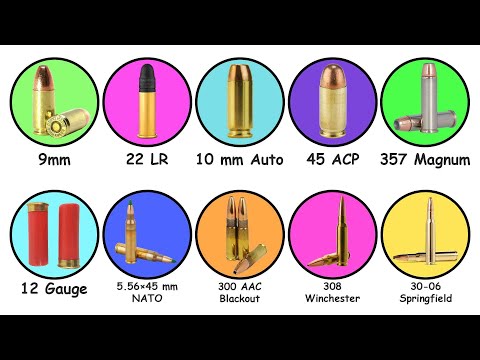
For cheap ammunition in target practice, 9mm Luger with full metal jacket (FMJ) loads offers the best blend of low cost and consistent recoil, especially when bought in bulk. Similarly, .223 Remington/5.56 NATO with 55-grain FMJ boat-tail bullets provides excellent long-range value and lower cost per round compared to heavier hunting loads. Among rimfire options, .22 Long Rifle high-velocity lead round nose or copper-plated hollow points are the absolute cheapest, allowing high-volume training with minimal expense. Avoid specialty loads like match-grade hollow points or subsonic rounds, as their precision enhancements rarely justify the price jump for general plinking. Instead, prioritize standard-pressure FMJ or cast lead loads, which reliably cycle most firearms and keep cost per trigger pull minimal while still building core marksmanship skills.
Low-Recoil FMJ Rounds for High-Volume Drills
Low-recoil FMJ rounds for high-volume drills reduce felt impulse and muzzle rise, allowing shooters to maintain sight alignment during rapid strings without flinching. These loads typically use lighter bullets or reduced powder charges, which lowers perceived kick while retaining enough velocity to cycle semi-automatic actions reliably. For drills focused on trigger control and follow-through, the softer shooting character minimizes fatigue, extending productive practice sessions. While they cost slightly more than standard ball, the improved split times and shot-to-shot consistency justify the price for shooters prioritizing repetition quality over raw energy. Standard-pressure FMJ may cause early fatigue, making low-recoil variants the better value when burning hundreds of rounds per session.
When to Choose 9mm, .223, or .22 LR for Maximum Savings
For maximum savings, choose .22 LR for pure plinking when you only need trigger time and sight alignment, as it costs a fraction of other centerfire options. Move to 9mm when you require realistic recoil management and defensive-handgun practice, since bulk-priced ammunition remains affordable while offering meaningful training value. Select .223 only when practicing with a rifle you’ll use for competition or home defense, because its higher per-round cost pays off in familiarizing you with your primary platform’s ballistics and recoil impulse. Avoid .223 for casual recreational shooting, where 9mm carbines or .22 conversions stretch every dollar further.
Identifying Cheaper Grain Weights That Keep Accuracy Sharp
When trimming costs, identifying cheaper grain weights that keep accuracy sharp starts with testing lighter bullet options in your existing barrel twist rate. A 55-grain .223 Remington often costs less than 62-grain loads, and many 1:8 or 1:9 twist barrels will still hold sub-MOA groups at 100 yards if you test three or four factory boxes. For 9mm, 115-grain flat-point or round-nose loads typically undercut 124-grain defensive rounds while delivering acceptable 25-yard precision for paper punching. Buy a single box of each candidate weight, fire five-shot groups from a rested position, and measure the average spread—the cheapest weight that prints inside your accuracy threshold becomes your training staple. *Recoil impulse differences between grain weights alter point-of-impact, so re-zero your optic after switching, not before.* Q: Does a lighter grain weight always reduce accuracy? A: No—accuracy depends on barrel twist, bullet length, and velocity stability, so you must empirically test each load rather than assuming lighter means worse.
How to Spot Reliable Discounted Rounds and Avoid Bad Batches
To spot reliable discounted rounds, first inspect the packaging for lot numbers and manufacturing dates; a reputable dealer will share this data if you ask. Avoid any **cheap ammunition** that shows signs of poor storage, like corroded cases, dented primers, or loose bullets in the box. Check the rim and primer pocket for deep, consistent seating, since inconsistent crimping causes misfires. Buy a single box from a sale before committing to a case, and fire ten rounds 7mm Rem Ultra Mag Ammo for Sale to check for keyholing or pressure signs like flattened primers. If the group on paper shrinks, the batch is solid; if you see smoke rings or erratic velocity, reject the entire **discounted rounds** lot immediately. Trust your chronograph over the price tag.
Reading Headstamps and Lot Numbers for Consistent Quality
When buying discounted rounds, the headstamp and lot number are your first line of defense against inconsistent performance. The headstamp reveals the manufacturer and caliber, but the lot number is where quality control lives. A single lot represents rounds produced under identical conditions, so mixed lot numbers in one box signal sloppy repackaging or surplus blending. Reading headstamps and lot numbers for consistent quality means 7mm Rem Mag Ammo for Sale rejecting any batch where stamps vary in depth, alignment, or font—this indicates multiple sources or remanufactured cases. *Even a reputable brand can ship a bad lot, so always cross-reference the number online before committing to bulk purchases.* For maximum consistency, stick to one lot per order and demand the seller confirm it.
- Verify the lot number matches across all boxes in a case to ensure uniform powder and primer batches.
- Look for crisp, uniform headstamp impressions—worn or double-struck stamps suggest reloaded or salvaged brass.
- Check the primer crimp and lot code on the box against manufacturer records for recall or defect notices.
Key Signs of Remanufactured or Overstock Ammo That Still Fires Clean

To identify remanufactured or overstock ammo that still fires clean, inspect the case mouths first—they should be smoothly resized with no rolled or crumpled edges, a hallmark of proper processing. Look for consistent primer seating, flush or slightly recessed, never proud, which prevents hard strikes and misfires. Check the projectile for a firm, uniform crimp; a loose bullet or visible ring indicates poor assembly. Overstock rounds often show minor handling scuffs, but avoid any with corroded, green-tinted cases or tarnished primers, as moisture compromises burn rate. Finally, shake a few cartridges—a rattling powder charge signals degraded propellant, while settled, silent contents suggest fresh, stable loads that cycle reliably.
Waterproofing and Storage Tips to Extend the Life of Low-Cost Rounds
To extend the life .50 Cal Ammo for Sale of budget-friendly ammunition, prioritize desiccants over oil, which can degrade cheap propellants. Store rounds in sealed, airtight ammo cans with silica gel packs, avoiding basements where humidity fluctuations accelerate corrosion. For bulk loose rounds, add a moisture-absorbing dehumidifier rod if your storage area exceeds 50% relative humidity. Rotate your stock yearly, as low-cost primers and cases are more vulnerable to oxidation than premium equivalents. Preventing case corrosion is essential since cheap brass often lacks robust protective coatings. Avoid direct floor contact and instead place cans on wooden pallets to reduce thermal transfer.
Q: How often should I inspect low-cost rounds for moisture damage?
A: Inspect every three months, especially after seasonal shifts, and replace desiccant packs immediately if they show discoloration.

Where to Find the Lowest Prices Online and In-Store for Everyday Shooting
For everyday shooting, the lowest prices on cheap ammunition come from stacking online bulk deals with in-store clearance racks. I’ve found that signing up for email alerts from retailers like Target Sports USA or AmmoSeek’s daily digest catches 9mm and .223 drops before they vanish, often under 25 cents per round. Meanwhile, my local big-box store marks down odd lots of remanufactured or steel-cased rounds every Tuesday morning—I once grabbed 500 rounds of .38 Special for half the online price. Compare shipping math, since a $200 case online can cost more than a $230 shelf price when freight is added.
Always check the per-round price after tax, not the sticker, to spot the real bargain.
I keep a spreadsheet of per-round costs from both channels and only buy when the number beats my last range day.
Using Price Comparison Tools and Alerts to Catch Drops on Cheaper Boxes
To catch price drops on cheaper boxes, set up automated price alerts on aggregator sites like AmmoSeek or WikiArms, which scan multiple vendors hourly. Enter your target caliber and a desired price per round; these tools will email or push notifications the moment a box dips below your threshold. Bookmark retailer-specific pages and use browser extensions like CamelCamelCamel for marketplace sellers, though ammo-specific trackers are more reliable due to fluctuating stock. Check alerts daily—drops often last only minutes before inventory sells out. Combine this with a wishlist of three preferred brands, and only buy when the per-round cost falls 10–15% below your baseline.
- Set price-per-round thresholds, not box totals, to compare different pack sizes fairly.
- Use alerts for both bulk cases and single boxes; shipping costs can negate a apparent drop.
- Refresh aggregator filters weekly—new vendors appear and old ones change their pricing cadence.

How to Calculate Shipping Costs Without Ruining Your Bulk Discount
When you’re stacking ammo, that bulk discount evaporates fast if shipping eats the savings. First, always build a test cart—most sites calculate freight at checkout, so compare a 500-round box against four 125-round boxes to see which triggers a lower weight tier. Secondly, look for flat-rate shipping thresholds; if a retailer offers free shipping over $99, add a cheap box of .22 LR to cross it without inflating weight. Finally, check if “ground” beats “UPS” for your zip—carriers quote differently per region. Bulk ammo shipping math is simple: divide total cost by rounds, then split the shipping across each box, not just the first. If shipping exceeds 8% of the ammo price, split the order or hunt for a local pickup option.
Buying In-Store Overstock vs. Online Clearance: Which Saves More
When comparing in-store overstock vs. online clearance for ammo, the decisive factor is shipping and hazmat fees. Online clearance often shows a lower per-round price, but a single hazmat fee (usually $20–$30) and shipping can erase savings unless you order bulk quantities of 500+ rounds. In-store overstock, however, is priced to move immediately because the retailer needs floor space; you pay no freight, but the selection is unpredictable. Check the whiteboard or ask the counter clerk for unadvertised overstock bins—these often undercut online deals for common calibers like 9mm or .223. For small quantities under 200 rounds, physical overstock nearly always wins; for full cases, online clearance can edge ahead—but only after you calculate per-round cost with fees included.
In-store overstock saves more on small buys due to zero shipping; online clearance only wins on large orders when hazmat fees are diluted.
Smart Ways to Practice More While Spending Less on Each Shot
Cheap ammunition transforms practice from a luxury into a daily habit, but the real skill is stretching every round. Smart practice with budget ammo means prioritizing trigger time over raw volume—shoot short, focused drills like failure-to-stop or reloads, where each shot has a deliberate purpose. Buy bulk once a month to lock in low prices, then split that stash into “practice” and “confirmation” piles; use the practice pile for high-rep fundamentals and save the better-stocked rounds for zeroing or competition sims. Dry-fire remains your zero-cost ally, but pair it with cheap live fire to validate your mechanics.
The trick isn’t finding cheaper bullets—it’s making every cheap bullet teach you something new.
Rotate targets and distances to force adjustments, and use reactive paper or splatter targets so you read misses instantly, converting wasted rounds into immediate corrections.
Mixing Cheap Ammo with Occasional Premium Rounds for Zeroing
For most practice, cheap ammunition builds muscle memory and round counts, but its inconsistent point of impact can undermine confidence in your rifle’s true accuracy. Reserve premium rounds for the final zero confirmation: after a session of budget plinking, fire a three-shot group with match-grade ammunition at your target distance. This verifies your optic’s zero against a stable, repeatable load, revealing any shift from the cheap ammo’s bulk zero. Use specialty sports and supply the premium group to confirm your base zero, then accept that cheap rounds will naturally string slightly away. This creates a practical standard: accuracy testing remains premium-only, while all low-cost drills simply verify function and recoil management.
Q: Does mixing cheap ammo with premium rounds damage my barrel or scope?
No. Apart from slight zero shifts between loads, both ammunition types are safe. The practice only requires re-confirming your zero with the chosen premium load for precision work.
Using Reduced-Power Loads for CQB and Rapid-Fire Training
Reduced-power loads let you drill rapid-fire transitions and CQB mechanics without burning through expensive full-charge ammo or wrecking your timing with harsh recoil. By loading lighter projectiles or fewer grains of powder, you can replicate the draw, sight-picture, and trigger reset cycle at a fraction of the cost, so you’re ingraining muscle memory for doorway entry and malfunction clears while saving cash per string. Low-recoil practice also keeps you on target for faster follow-up shots, meaning your doubles and controlled pairs get sharper without the flinch that harder kicks breed. The key is matching your load’s cycle velocity to your pistol’s spring, 9.3x72R Ammo for Sale so your slide runs reliably—then you can crank out hundreds of high-rep drills for the price of a few factory boxes.
Scheduling Practice Sessions Around Seasonal Sales on Affordable Cartridges
To stretch your training budget, align your range time with retail lulls, not just your calendar. Seasonal ammunition sales on affordable cartridges typically arrive after major holidays and during late-summer clearance events, so schedule your high-volume drills for those windows. Buy your budget-friendly rounds when prices dip, then immediately book your practice sessions for the following weeks—this locks in savings and guarantees you’ll actually use that stock. If a sale pops up mid-month, shift your weekend practice forward to capitalize before shelves clear. Track when your preferred affordable brand drops prices locally, then build a monthly rotation around those peaks, ensuring every trigger pull costs less without sacrificing repetition.
- Set a calendar alert for post-holiday and end-of-summer sales, then block range time for the week after.
- Pair bulk purchases of cheap ammunition with two consecutive practice dates to avoid storage waste.
- Reschedule a Ammunition for Sale practice if a flash sale appears—savings on affordable cartridges fund an extra box for the next session.
- Match your dry-fire days between sales to preserve live rounds for when prices are lowest.